
Why Many People Ask for a “Blood Pressure Chart by Age”
Many people want to know whether their blood pressure is “normal” for their age group, so they naturally look for age-specific benchmarks. This is also one of the most common questions BPTrakr users bring up when seeking to better understand their readings.
The Reality: No Official Age-Based Blood Pressure Category Chart Exists
Many people search for age-specific blood pressure charts, but no credible medical organization—such as the American Heart Association (AHA)—publishes official age-based guidelines. Instead, the AHA and similar authorities recommend using the same standard categories for all adults.
That said, the medical community continues to debate this issue. For example, an article in the American Heart Association Journal titled “Age, Blood Pressure Targets, and Guidelines: Rift Between Those Who Preach, Those Who Teach, and Those Who Treat?” highlights the call from cardiovascular specialists for age-specific blood pressure targets.
Although experts continue to discuss this topic, no official blood pressure categories exist for different ages.
BPTrakr’s Approach to Blood Pressure Classification
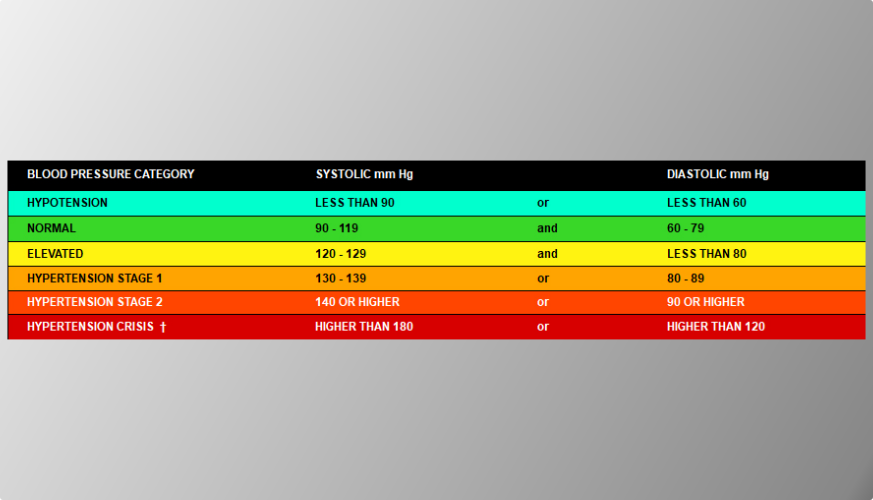
The BPTrakr Blood Pressure Category Chart, shown above, comes directly from two American Heart Association resources: Understanding Blood Pressure Readings and Low Blood Pressure.
BPTrakr applies these universally accepted categories to every user, rather than creating age-based cutoffs. By following the AHA standards, the app ensures that blood pressure readings stay consistent and accurate across all age groups. No credible medical source defines separate blood pressure ranges by age, so BPTrakr keeps it simple and evidence-based.
What About Children and Teens?
While general categories apply universally, pediatric blood pressure (for children and teens) is often evaluated differently:
- Pediatric assessments consider percentiles based on age, sex, and height rather than fixed thresholds.
- Normal blood pressure is typically defined as being below the 90th percentile.
- These percentile tables, used primarily in clinical or research settings, are not incorporated into BPTrakr.
Why Universal Categories Matter for BPTrakr Users
Applying standardized AHA categories ensures consistency and clarity for users of any age. Using a universal model avoids confusion or inaccurate assumptions that might come from unofficial, age-specific thresholds.
Helping Users Understand Their Readings
Tips to interpret your BPTrakr readings effectively:
- Focus on your overall blood pressure category (e.g., Elevated, Stage 1 Hypertension) rather than comparing against age-based benchmarks.
- Track long-term trends—BPTrakr excels at graphing and reporting your readings over time.
- If you’re curious about how age may influence your target ranges, consider discussing with a healthcare provider—especially for pediatric or elderly patients.
- Remember: only a medical professional can provide a diagnosis. BPTrakr helps you monitor, but not diagnose.
Conclusion
While many search for a “blood pressure table by age chart,” the truth is that no official, credible age-based BP categories exist. BPTrakr adopts consistent, AHA-based categories for clarity and reliability. If you’re curious about how your age relates to blood pressure trends, feel free to chat with your provider—but rest assured, BPTrakr helps you track and understand your readings accurately, no matter your age.
Final Thoughts
Want to dive deeper into how BPTrakr classifies and displays your blood pressure data? Check out the Help Manual or explore the BPTrakr Reports section in the app—where the Blood Pressure Category Chart is prominently featured. If you’d like to remove the category display, we make that easy too.
Start exploring your own blood pressure trends today by logging in to your BPTrakr dashboard — and if you haven’t yet, download BPTrakr for Windows or Mac.